One market, from question to result
Question: “Will the city open its new bridge before July 1?”
Outcomes: Yes and No.
What matters: the market’s own rules say which source decides the answer and how unusual cases are handled.
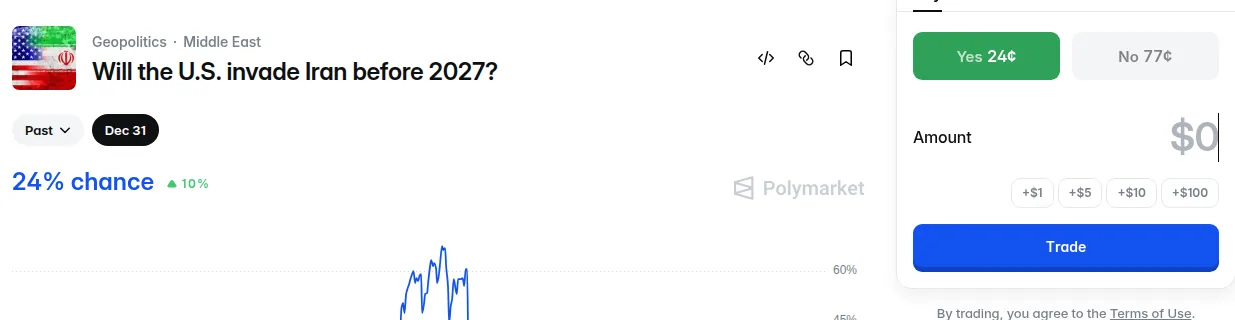
Think of the market as a place where people can take different sides of one clear question. Buying Yes does not mean owning part of the bridge. It means holding a position that benefits if this market resolves Yes. No works the other way.
The lifecycle, step by step
- Question: the market states what will be decided and provides resolution rules.
- Place an order: someone offers to buy or sell Yes or No at a price they accept.
- A trade happens: when a buy price meets an available sell price, the orders can match and the trade goes through. If no suitable offer exists, the order can wait instead.
- Your position updates: once the trade settles, your account reflects the shares you bought or sold.
- Sell or hold: before resolution, a holder can try to sell to another participant or keep the position.
- The market resolves: the rules determine the winning outcome. Trading stops, and the winning outcome can be redeemed for $1 per share; the losing outcome is worth $0.
How an order becomes a trade
There is no need to learn an order book to understand the basic idea. A bid is an offer to buy; an ask is an offer to sell. When a buyer’s offer and a seller’s offer work together, the platform can match them and the trade goes through.
Liquidity simply means how much willing buying and selling is available. More available offers usually make it easier to find the other side of a trade. A thin market can leave an order waiting, fill only part of it, or require a different price.
Displayed price versus the price you get
The number shown beside Yes or No is a useful snapshot, but it is not always the exact price of the next trade. Polymarket says it normally displays the midpoint between the best buy and sell offers, while a buyer pays an available sell offer and a seller receives an available buy offer. When that gap is wider than 10¢, Polymarket may show the last traded price instead. That difference matters most when few offers are available.
What happens after you buy
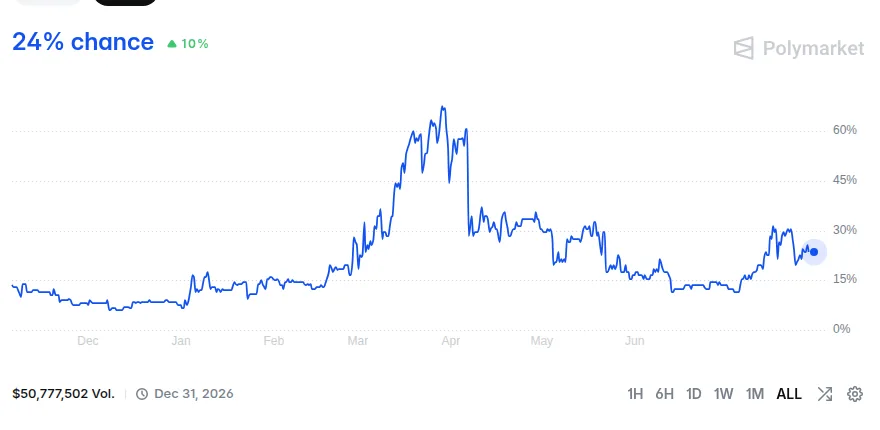
Once an order matches, you hold a position in the outcome you chose. If the bridge looks more likely to open on time, another participant may later be willing to buy Yes at a higher price. If the outlook changes, the price may fall instead.
Selling before the result is not automatic. It still needs someone willing to buy at an acceptable price. Holding means waiting for the market’s official resolution rather than treating a changing screen price as a final result.
Resolution is decided by the rules
When the event is ready to be decided, the market follows its stated resolution rules. Those rules identify the relevant source, timing and edge cases. Read them before taking a position: a headline can be simple while the rule decides what counts.
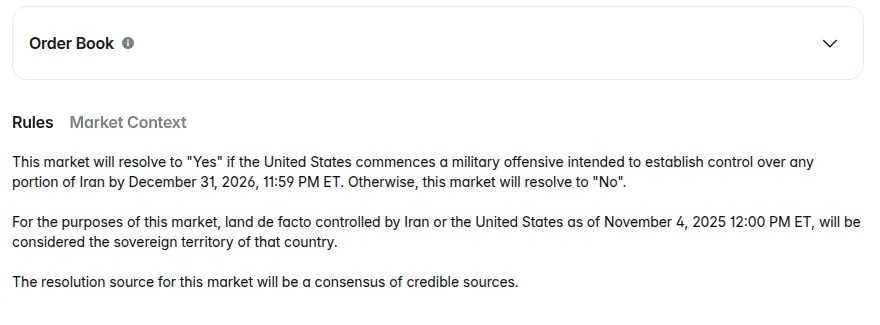
Most readers do not need to follow the proposal or dispute process. The practical point is that an unusual case can take longer to settle, and the written rules—not a reader’s assumption—govern the outcome.
Interface reviewed: July 30, 2026. Polymarket may change button names or layout.
Where to go next
Use Learn for related concepts, read how to read a Polymarket market page before treating a displayed price as meaningful, use Guides when you need a practical step, and check Countries separately from local legal questions.
Explore how live market prices move
Browse active markets and compare the displayed price with current trading activity.
Availability and eligibility depend on your location.
PolymarketExplained may earn a referral benefit if you use this link.
Frequently Asked Questions
What happens when a binary market resolves?
In the standard binary structure, winning shares redeem for $1 and losing shares are worth $0.
Can a position change before resolution?
Yes. Its price can move as participants place and match orders before the market resolves.